Founded 1774✦National Edition✦Printed for the Publick
TheContinental Gazette
Established in the spirit of 1774.
Vol. CCLIIMonday, July 13, 2026Price: Two Pence
National Affairs
Understanding the Recent U.S. Military Strikes in the Strait of Hormuz
Analyzing the implications of U.S. military actions in a strategically vital region.
Staff✦
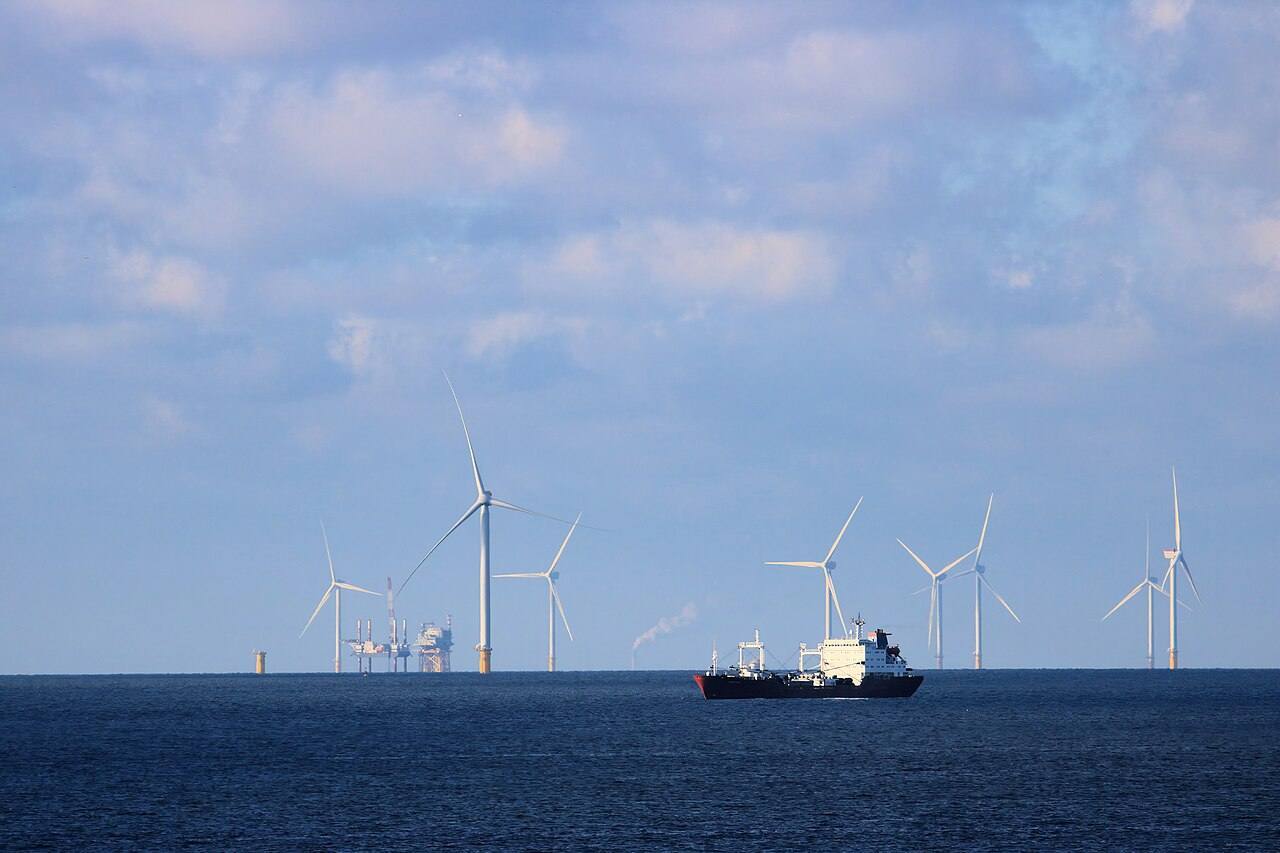
Oil Tanker in North Sea. Photo: ImagePerson via Wikimedia Commons (CC BY 4.0)
In a significant escalation of military engagement in the Middle East, U.S. Central Command (Centcom) recently announced that it had targeted "dozens" of military locations near the Strait of Hormuz. This operation, which took place on a Tuesday night, aligns with a broader strategy that the U.S. government has pursued in response to increasing tensions in this strategically vital area. The implications of these actions extend beyond immediate military concerns into the realms of international diplomacy and economic stability.
The Strategic Importance of the Strait of Hormuz
The Strait of Hormuz is a narrow passage connecting the Persian Gulf with the Gulf of Oman. It serves as a critical route for oil tankers and is considered one of the most geopolitically sensitive waterways in the world. Approximately 20 percent of the world’s oil supply transits through this strait, making the region a focal point for global energy security. Any disruptions in this area can lead to significant fluctuations in oil prices, impacting economies worldwide.
In announcing the recent strikes, Centcom indicated that these military actions were a response to perceived threats emanating from Iran's coastal region. This strategic decision underscores the U.S. commitment to maintaining freedom of navigation in the waters vital for international trade and economic stability.
Military and Diplomatic Context
The military operations come on the heels of a renewed naval blockade by the United States, reinstated earlier that same day. This blockade serves to assert U.S. naval power in the region and to deter any hostile actions from Iranian forces. The deployment of over 20 U.S. Navy warships signals a robust military presence aimed at reassuring allies and partners in the region, while simultaneously sending a message to adversaries.
It is crucial to consider how these military maneuvers fit into the larger context of U.S. foreign policy. The use of military force in the Middle East has long been a contentious issue, often leading to debates about the effectiveness and morality of such interventions. The U.S. has faced criticism for its military engagements, which some argue exacerbate tensions rather than resolve them. The challenge lies in balancing military readiness with diplomatic efforts aimed at de-escalation.
In a related development, Secretary of State Marco Rubio is set to host the Economic Diplomacy Action Group’s (EDAG) first meeting, aimed at shaping U.S. economic statecraft to advance the nation's foreign policy goals. This initiative may reflect an understanding that military might alone cannot address the complex issues at play in the region. As Rubio's committee discusses economic strategies, it is vital for policymakers to consider how diplomatic engagement can complement military readiness in achieving long-term stability.
Potential Economic Consequences
The military strikes and naval blockade could have significant economic ramifications. Markets are highly sensitive to geopolitical events, particularly those related to oil supply. Heightened military activity in the Strait of Hormuz may lead to increased insurance rates for vessels, potentially driving up shipping and oil prices. These economic impacts could ripple through the global economy, affecting everything from energy costs to inflation rates in consumer goods.
Moreover, the prospect of military escalation can deter foreign investment in the region, thus impacting economic growth. The uncertainty created by military actions can lead businesses to reconsider their operations and investments in nearby countries, further complicating the economic landscape.
Conclusion
As the U.S. continues to navigate its role in the Middle East, the recent military actions in the Strait of Hormuz highlight the intricate interplay between military power, diplomacy, and economic stability. An approach that harmonizes these elements may foster a more comprehensive strategy to ensure not only national security but also the prosperity of global trade. In this context, ongoing evaluations of military strategy in tandem with economic diplomacy will be essential for addressing the multifaceted challenges that lie ahead. For further details on the military strikes, you may refer to the report from The Hill.