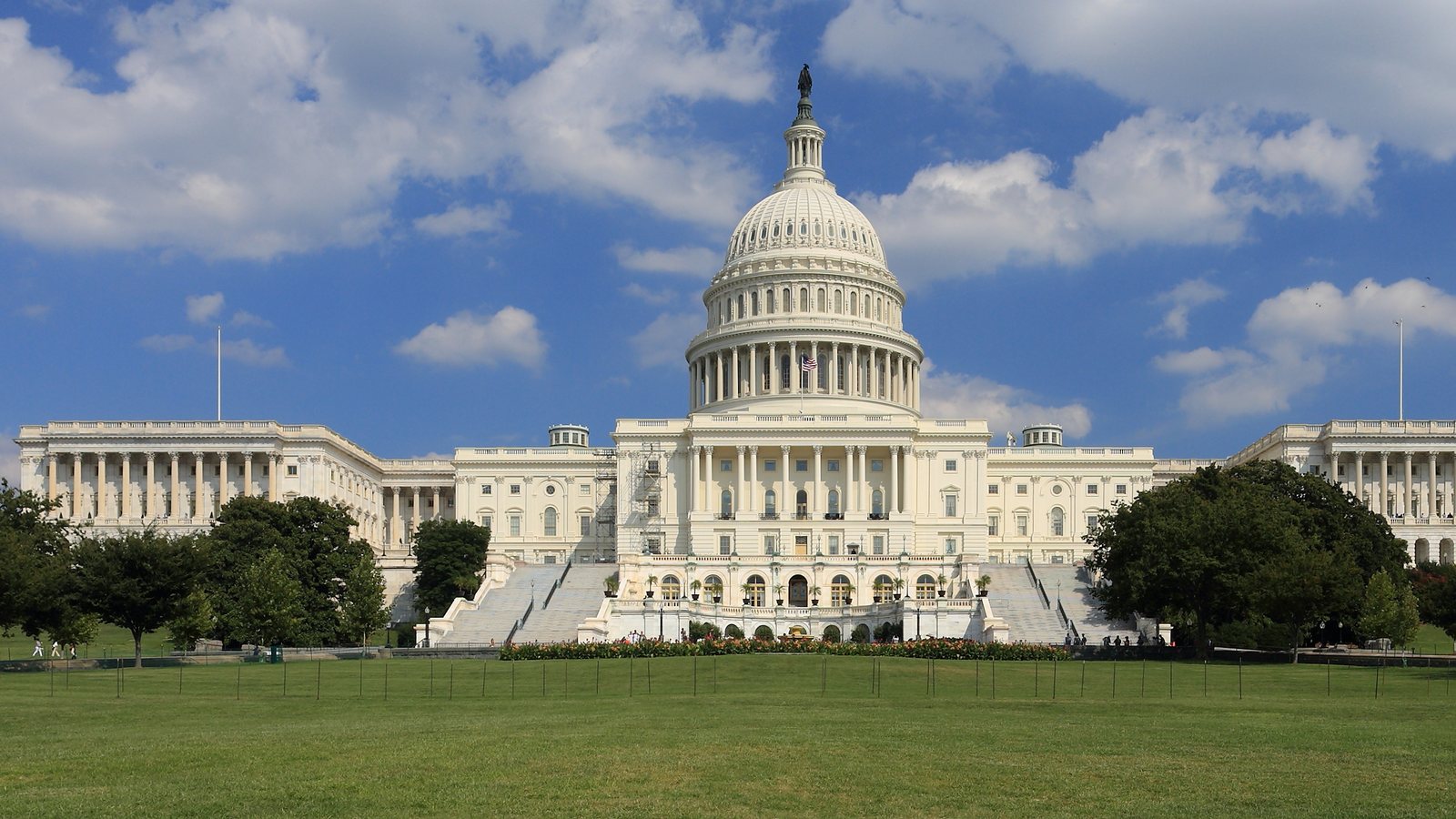
Every law of the United States begins as an idea set to paper, and most ideas travel no farther. A measure may be drawn up by a member of the House of Representatives or the Senate, sometimes at the urging of a constituent, an interest, or the executive branch, but it enters the machinery of government only when a member of one chamber formally introduces it. From that first moment the bill acquires a number and a title, and its long passage toward the statute books, or more often toward quiet expiry, has begun.
Introduction is the easiest step, and the least telling. A single member acting alone may lay a bill before the chamber, and many thousands are introduced in the course of a single Congress. Their sheer number should caution the reader against mistaking introduction for progress. To become law a measure must survive a gauntlet of stages, and at nearly every one it may be halted, amended past recognition, or simply left to gather dust.
Through the Committees
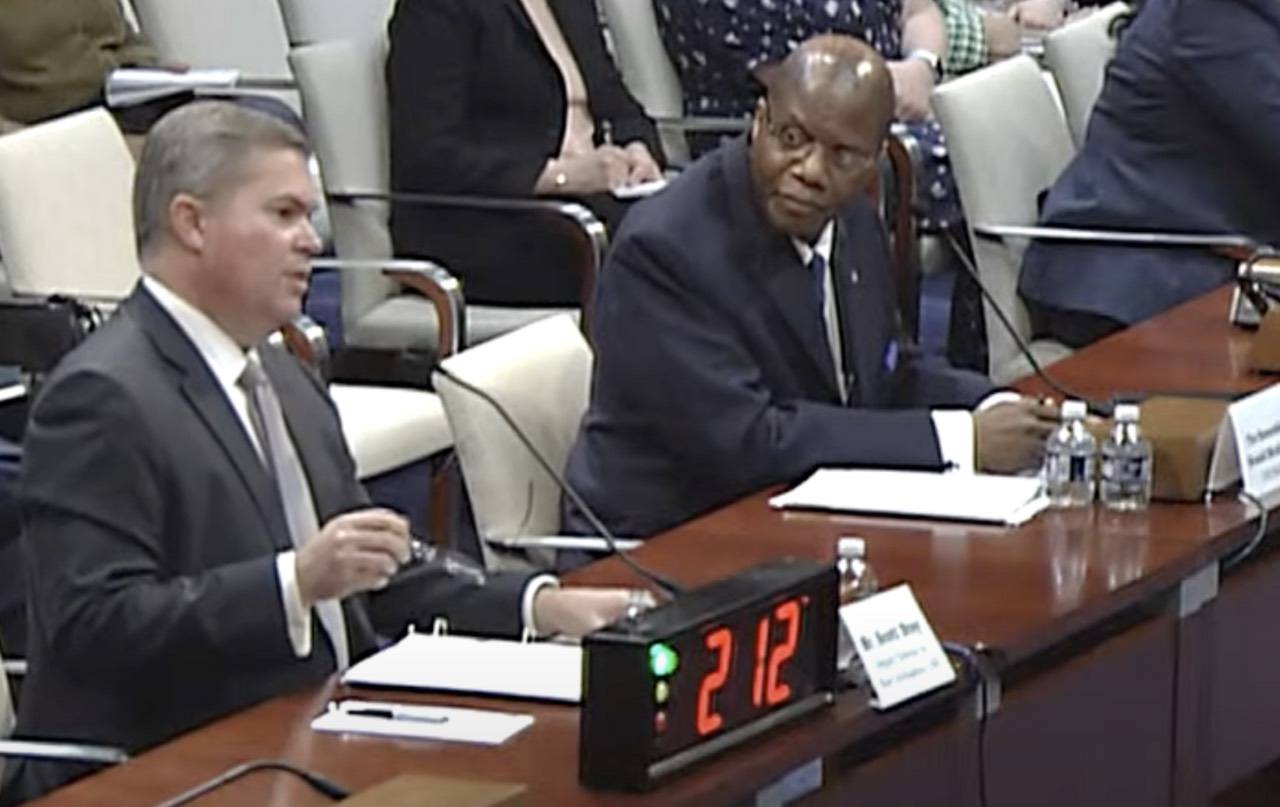
The first true test comes with referral. Once introduced, a bill is sent to the standing committee whose jurisdiction covers its subject, and often onward to a subcommittee of narrower charge. Here the work of legislating is done in earnest. Committees hold hearings, at which witnesses are summoned and questions put; then comes the markup, in which members go through the text line by line to strike, insert, and revise. A bill that survives this labor is reported to the floor of its chamber with the committee's recommendation.
Yet the greater number of bills never emerge at all. They are referred to committee and there they remain: never scheduled for a hearing, never brought to a markup, never reported. This is no accident of the design but a feature of it. The committee stage is where the many are winnowed to the few, and where a measure's fate is most often sealed. The citizen who wishes to know whether a bill will live should watch the committee long before watching the floor.
From the Floor to the President
A bill reported favorably must still be scheduled for consideration, a matter governed by the leadership of each chamber and by rules that differ between the House and the Senate. When at last it reaches the floor, members debate it and may offer amendments, altering its substance before the decisive moment. That moment is the vote of the chamber. If a majority assent, the bill passes, but its journey is only half complete.
For a measure must clear both chambers in identical form before it can go further. A bill approved by the House travels to the Senate, or the reverse, and there begins a parallel passage through committee, floor, amendment, and vote. Seldom do the two chambers produce precisely the same text. When their versions differ, the differences must be reconciled, either through a conference committee drawn from both houses that negotiates a single agreed text, or by the simpler expedient of one chamber accepting the amendments of the other. Only when House and Senate have settled upon one identical bill is it ready for the President.
Presentment is the constitutional term for the delivery of that agreed bill to the President. Three courses are then open to him. He may sign it, and it becomes law. He may veto it, returning it to the chamber where it began together with his objections. Or he may do nothing, in which case the bill becomes law after a set number of days while the Congress remains in session, though it fails if the Congress has adjourned in the interval. Should the President veto, the Congress is not without recourse: a vote of two-thirds in each chamber overrides the veto and enacts the measure over his objection, a high bar cleared only when a broad majority is resolved upon it.
The Long Odds
Of the many measures introduced in a given Congress, only a small fraction complete this passage and are signed into law. The rest expire, most of them silently and most of them in committee, when the Congress ends and the slate is wiped clean. A measure not enacted must, if it is to be pursued at all, be introduced afresh in the next Congress and begin the whole journey again from the beginning.
For the reader who would follow the making of law with an informed eye, the lesson is plain. The dramatic floor vote draws the notice of the public, yet by the time a bill reaches the floor its hardest trials are commonly behind it. The decisive ground is the committee room, where measures are shaped or shelved out of the public gaze. To watch there is to watch where the work of legislating is truly done.