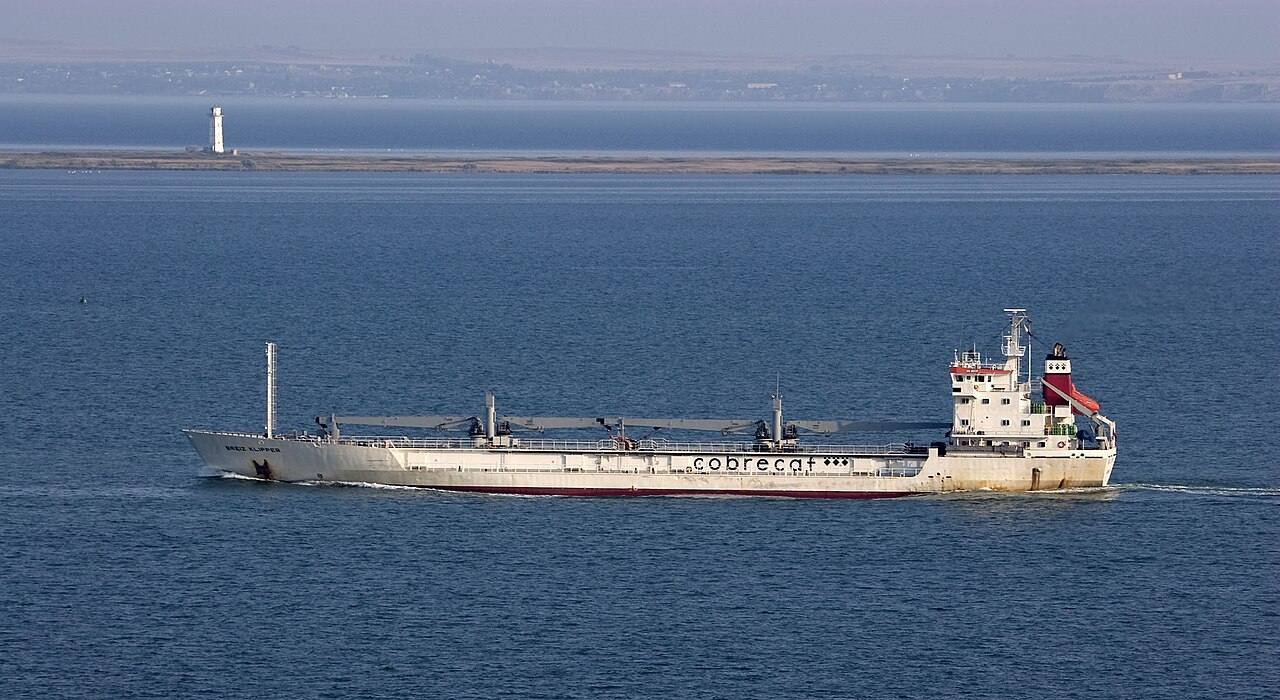
The Strait of Hormuz stands as one of the most pivotal maritime corridors in the world, with an estimated one-fifth of the global oil supply passing through its narrow passage. Recently, the United States has escalated its military presence in the region by restarting a blockade and conducting more strikes against Iran. This development arrives amidst an atmosphere of heightened tensions, further complicating an already fraught relationship between the two nations.
Historically, the Strait of Hormuz has been a flashpoint for conflict, especially during times of heightened geopolitical disputes. The U.S. has long maintained a strategic interest in ensuring the free passage of vessels through this area, which is crucial not only for global energy security but also for maintaining regional stability. The recent actions come as President Trump has opted to call off a planned 20% fee on shipping through the strait, a financial move that would have had significant implications for international trade.
Historical Context
The U.S.-Iran relationship has been characterized by cycles of tension and confrontation, particularly following the U.S. withdrawal from the Iran nuclear agreement in 2018. This withdrawal led to a reinstatement of sanctions against Iran, causing significant economic strain. In response, Iran has increased its assertiveness in the region, further complicating U.S. interests. The current U.S. military actions may be seen as a bid to reestablish dominance and control over a key shipping lane, while also signaling to allies and adversaries alike that the U.S. remains committed to its interests in the Persian Gulf.
As reported by CBS News, the U.S. has escalated its military operations while simultaneously adjusting its economic policies regarding shipping. Such dual strategies reflect a complex approach to international relations, where military might and economic incentives are employed concurrently. This can be particularly troubling as it risks provoking further aggression from Iran, which views these actions as direct threats.
Trade Implications
The decision to call off the planned shipping fee indicates a recognition of the delicate balance between maintaining a strong stance against Iran while not unsettling global markets. Shipping costs influence the price of oil, and any disruption in the Strait of Hormuz could lead to significant fluctuations in energy prices worldwide. A spike in oil prices could have a detrimental effect on economies that are already grappling with the ramifications of a post-pandemic recovery.
Moreover, the blockade itself could impact not just U.S.-Iranian relations but also the broader dynamics of trade in the Middle East. Nations that rely heavily on oil imports may face increased costs, leading to ripple effects throughout the global economy. By ensuring the free flow of commerce, the U.S. aims to stabilize markets yet risks becoming embroiled in further conflict.
The Path Forward
As the situation unfolds, it is imperative for policymakers to consider the long-term ramifications of these military and economic maneuvers. While the immediate goal may be to assert control over the Strait of Hormuz, the broader implications for U.S. foreign policy must not be overlooked. Engaging in dialogue with Iran, rather than solely relying on military pressure, could pave the way for more sustainable relations and regional stability.
The complexities of U.S.-Iran relations continue to evolve, and it remains to be seen how these latest developments will influence the geopolitical landscape. As history has shown, the waters of the Strait of Hormuz are fraught with peril, and navigating them will require a deft balance of diplomacy and strategy.
In conclusion, the U.S. actions in the Strait of Hormuz represent not just a tactical military decision but a broader strategy aimed at maintaining influence in a critical region. The interplay of military strength and economic policy will likely shape the future of U.S.-Iran relations, necessitating careful consideration from all stakeholders involved.