The recent escalation of military actions by the United States in the Persian Gulf, particularly around the Strait of Hormuz, necessitates a careful examination of the implications for U.S. economic policy and international trade. The U.S. Central Command has reported that it completed an additional round of strikes on dozens of military targets in the region, following a resumption of naval blockades aimed at Iranian ports and military installations. This development, highlighted in The Hill, could have far-reaching consequences for trade routes and the global economy.
Strait of Hormuz: A Vital Trade Passage
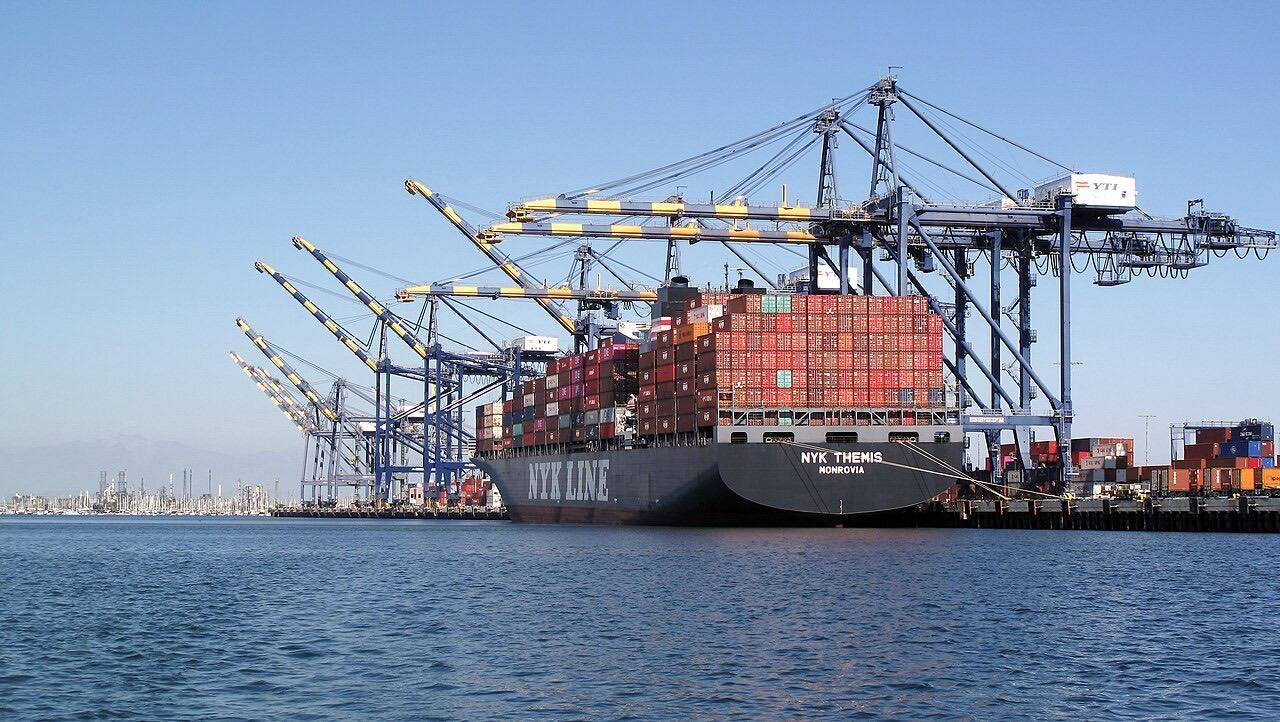
The Strait of Hormuz is one of the most vital maritime corridors in the world, with a significant percentage of global oil shipments passing through it. The recent U.S. military actions, including the deployment of over 20 U.S. Navy warships and targeted strikes on Iranian military assets, are likely to heighten tensions not only in the region but also within global markets that depend on oil exports. Disruptions in this strategic waterway could lead to increased oil prices, affecting consumers and businesses alike.
Military Action and Economic Statecraft
In tandem with military measures, U.S. policymakers are also focusing on economic diplomacy. Secretary of State Marco Rubio is set to chair the first meeting of the Economic Diplomacy Action Group (EDAG), aimed at enhancing the contours of U.S. economic statecraft. The meeting, reported by The Hill, underscores the administration's recognition that military force must be complemented by strategic economic initiatives to effectively address international challenges.
Implications for U.S. Trade Policy
As military engagements unfold, U.S. trade policy may also adapt in response to heightened geopolitical tensions. The potential for increased sanctions on Iran or other retaliatory measures could reshape trade relations. For instance, if access to oil from the Gulf becomes compromised due to military conflict, the U.S. may seek alternative energy sources, promoting domestic production or exploring partnerships with other oil-exporting nations.
Challenges Ahead
While military action may provide short-term strategic advantages, the long-term economic implications must be carefully weighed. Increased military presence often leads to escalatory cycles that can disrupt local economies and global markets. Furthermore, the potential for backlash against U.S. interests in the region cannot be overlooked, as nations affected by U.S. actions may seek alliances that counterbalance American influence.
A Civic Responsibility
In light of these developments, it is crucial for American citizens to remain informed and engaged. Understanding the intersection of military actions and economic policy is essential for fostering a well-rounded perspective on U.S. foreign relations. Civic engagement in discussions about military and economic strategies can help ensure that the country navigates these complex issues with foresight and responsibility.
As the situation evolves, the balance between military action and economic policy will require vigilant oversight and thoughtful discourse. The decisions made in the coming days and months will resonate across both national and global landscapes, affecting trade, diplomacy, and the livelihoods of countless individuals.